
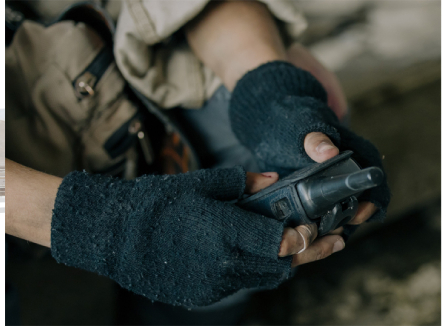
When the grid goes down, how will you stay in touch? In a major disaster, the communication systems we rely on every day—cell phones, internet, landlines—are often the first to fail. For those serious about emergency preparedness, having a reliable plan for off-grid communication is not just a good idea, it’s a necessity. This guide explores the two most trusted forms of prepper communication: Ham radio and CB radio.
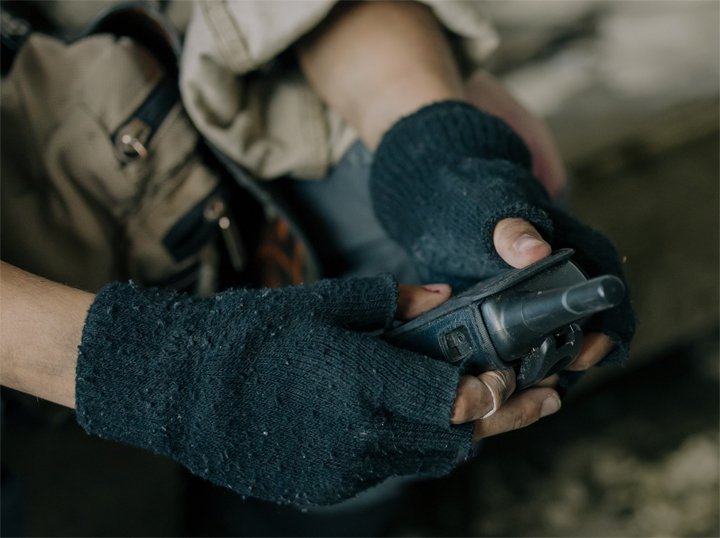
Why Modern Communication Fails When You Need It Most
What is the best communication for SHTF? To answer that, we first need to understand why our daily drivers fail.
Dependence on the Power Grid
Cell towers and internet servers require constant electricity. A widespread power outage means your smartphone becomes a very expensive paperweight once its battery dies.
Cellular Network Overload and Damage
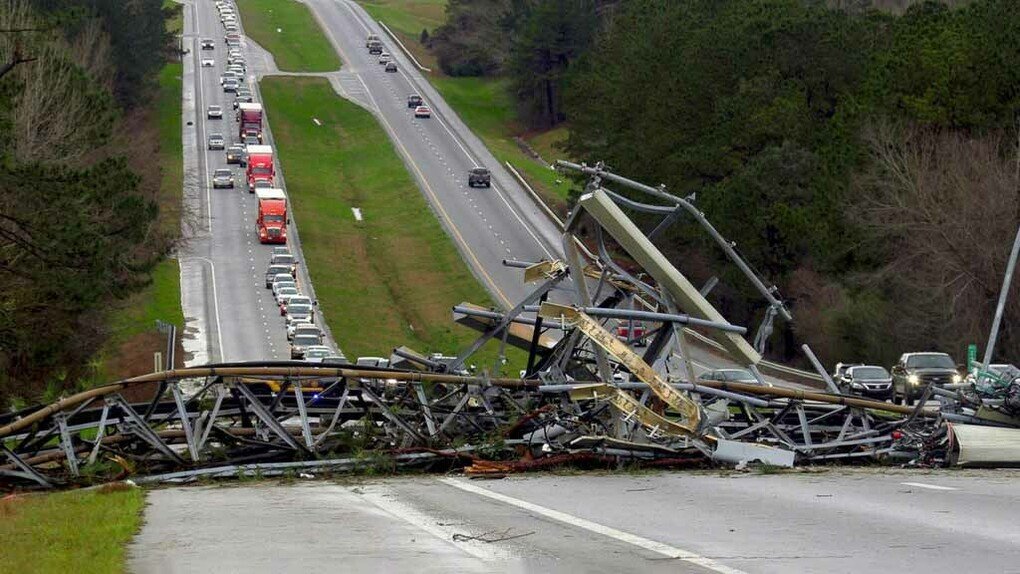
During any emergency, cellular networks are instantly overwhelmed with calls and data traffic. Furthermore, the towers themselves are vulnerable to physical damage from storms, earthquakes, or other events.
The Vulnerability of the Internet
The internet is a complex web of servers, cables, and routers. It is fragile and can be disrupted by both physical damage and cyber attacks, cutting off services like email and social media.
CB Radio: The Simple, No-License Emergency Radio
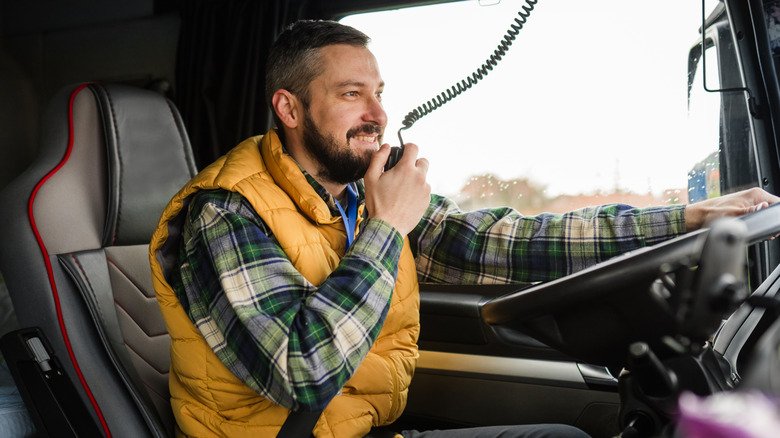
For many getting started in prepper communication, the Citizens Band or CB radio is the first step. It’s simple, accessible, and a valuable tool for local communication.
Pros: Easy to Use, Affordable, No License Needed
The biggest advantage of a CB radio is its simplicity. You can buy one today and use it tonight—no license required. The equipment is widely available and generally affordable.
Cons: Limited Range, Prone to Interference, Less Organized Community
Is CB radio good for emergencies? Yes, but with limitations. The range is typically limited to a few miles, the channels can be crowded and chaotic, and there’s less of an organized community to rely on for help compared to Ham radio.
Ham Radio for Survival: The Power of Long-Distance & Community
Amateur radio, or Ham radio, is the gold standard for serious shtf communication. It is a robust and incredibly versatile platform.
Pros: Potential for Global Reach, Strong Community Support, More Frequencies
Why do preppers use ham radio? Because of its power. With the right equipment and license, you can communicate across the state, the country, or even the world. The Ham community is a global network of skilled operators trained to provide emergency communications.
Cons: Requires a License, Steeper Learning Curve, Can Be More Expensive
The power of ham radio for survival comes with a commitment. You must pass an exam to get a license from your country’s governing body (like the FCC in the US). The equipment can also be more complex and costly than CB.
CB vs. Ham Radio: Which is Right for Your SHTF Plan?
The choice depends on your goals and level of commitment.
For Basic Local Comms: Start with CB
If your goal is to simply talk to your immediate family or neighbors within a few-mile radius, a CB radio is an excellent and easy starting point.
For Serious Long-Range Reliability: Graduate to Ham
If you need to coordinate with groups over a wider area or want the ability to tap into a long-distance emergency network, investing the time to get your Ham license is absolutely worth it.
Why Many Preppers Use Both
Many seasoned preppers use both. CB serves as the simple, local “intercom,” while Ham radio is the powerful lifeline for gathering information and communicating over vast distances.
Gearing Up: Recommended Emergency Radios from Chierda
Choosing a durable, reliable emergency radio is critical. Look for models that are rugged and have flexible power options.
For Reliable CB Communication: The Chierda CB27 Handheld
The Chierda CB27 is a perfect example of a modern, portable CB radio. It gives you all 40 channels in a rugged handheld package that’s ready to go anywhere.

For Advanced Ham Operations: The Chierda PRC-152A Tactical Handheld
For those with a Ham license, a powerful and durable radio like the Chierda PRC-152A offers access to both VHF and UHF bands in a waterproof, military-inspired design.
Don’t Wait for Disaster: Build Your Communication Lifeline Today
In a grid down situation where there is no cell service, your ability to communicate could be your most valuable asset. Whether you start with a simple CB or decide to pursue your Ham license, the time to build your off-grid communication plan is now. Don’t wait until you need it to learn how to use it.
FAQ: Your Beginner Prepper Communication Questions
How hard is it to get a ham radio license?
The entry-level license (Technician Class in the US) is very achievable. It requires passing a multiple-choice exam covering basic electronics, regulations, and operating procedures. There are countless free study guides and apps available online to help you prepare.
What is the real-world range of a handheld CB radio?
Under average conditions, you can expect a range of 1-5 miles (2-8 km) for a handheld CB radio. This can be greatly affected by terrain, buildings, and antenna quality.
Do I need a giant antenna on my house to use these radios?
Not necessarily. For local communication, the antenna on a handheld radio is often sufficient. For long-distance Ham radio communication, a simple and inexpensive wire antenna tossed up into a tree can be surprisingly effective.
Besides Ham and CB, are there other off-grid communication options?
What other off-grid communication options are there? Yes, GMRS radios offer a middle ground between CB and Ham, providing more power than CB but requiring a simple, no-test license in the US. However, for true reliability and community support in a major disaster, Ham and CB remain the top two choices for prepper communication. Find the right emergency radio for your plan today.